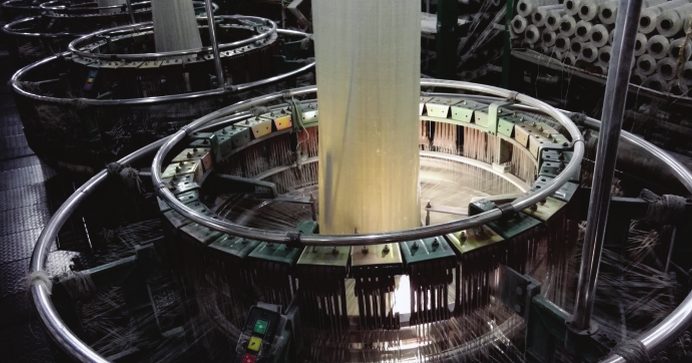

A woven sack plant produces a lot of data: weights at the tape line, roll weights at the looms, bag counts at stitching, bale weights at dispatch. Most of it is written down and never analysed. These six measures turn it into decisions.
1. Output and denier per tape line
Track kilograms per hour and average denier per shift for each extrusion line. Denier above the target means more resin in every metre of tape; denier below it risks weak fabric. Seeing both together, per shift, shows where the line needs attention.
2. Loom efficiency
Compare actual fabric output with what each loom could produce in the time available, and split the difference into stoppages by reason: tape breaks, bobbin changes, mechanical faults, no operator. Loom-wise and shift-wise views show whether the problem is a machine, a material or a team.
3. Fabric GSM and roll weight
Roll weight against length and width gives actual GSM. When actual GSM drifts above the specification, the plant is giving away material; when it drifts below, quality complaints follow.
4. Wastage by stage
Book waste where it happens: tape line start-up, weaving, cutting, stitching and printing. A single monthly wastage figure hides the cause; stage-wise figures point straight at it. Weigh the regrind that comes back so it can be reused and credited.
5. Fabric-to-bag yield
Reconcile fabric issued to cutting with bags produced. The gap is cutting waste, rejects and unrecorded material, and it is often larger than expected.
6. Cost per kilogram and per bag
Combine actual consumption of resin, filler, masterbatch, ink, thread and labour with output to get real cost per kilogram and per bag for each order. Compare it with the price quoted to see which customers and bag types earn their keep.
From registers to dashboards
None of this needs new data, only data captured consistently and in one place. When scales, looms and supervisors feed the ERP directly, these measures update as the plant runs, and the morning meeting starts with yesterday's numbers instead of last month's.
Formezy's Business Intelligence module builds these views from the same records production creates. Book a demo to see them on your own data.